
 Akshay Dinesh
In November 1775, the American Revolution was still a war full of uncertainty. Many Patriot leaders were fighting British authority, but they had not yet declared independence. In Virginia, that uncertainty became sharper when John Murray, the fourth Earl of Dunmore and the colony’s last royal governor, issued a proclamation from a ship near Norfolk. He declared martial law and offered freedom to enslaved people and indentured servants who belonged to rebels and were willing to join British forces.
The promise was limited, strategic, and deeply political. It did not challenge slavery as an institution across the British Empire. It did not offer freedom to every enslaved person in Virginia. Still, it changed the conflict because it touched the question Patriot leaders tried hardest to avoid: how could a movement speak of liberty while depending on slavery? For enslaved people who heard about the proclamation, the war was not only a dispute between Parliament and colonial assemblies. It was also a dangerous opening in a world built to deny them legal freedom.
Virginia Was Already Near a Breaking Point
Dunmore had been royal governor of Virginia since 1771, and by 1775 his relationship with the colony’s political leaders had largely collapsed. The Library of Virginia notes that he alienated influential Virginians as imperial tensions rose, especially after he removed gunpowder from the public magazine in Williamsburg in April 1775. To Patriot leaders, that act looked like an attempt to disarm the colony. To Dunmore, it was a way to keep military supplies out of rebel hands.
By June, Dunmore had fled Williamsburg and moved his base of operations toward British ships in the Hampton Roads area. That detail matters because the proclamation did not come from a secure governor calmly ruling from the capital. It came from a royal official trying to regain control after losing much of his political authority on land. He needed soldiers, Loyalist support, and a way to frighten Virginia’s rebel elite.
Virginia’s social order made that fear especially powerful. Large parts of the colony’s wealth depended on enslaved labor, and many leading Patriots were enslavers. A British governor who invited enslaved people to cross military lines was not simply adding recruits. He was threatening the property, authority, and sense of security of the very people leading resistance to the Crown.
What the Proclamation Actually Promised
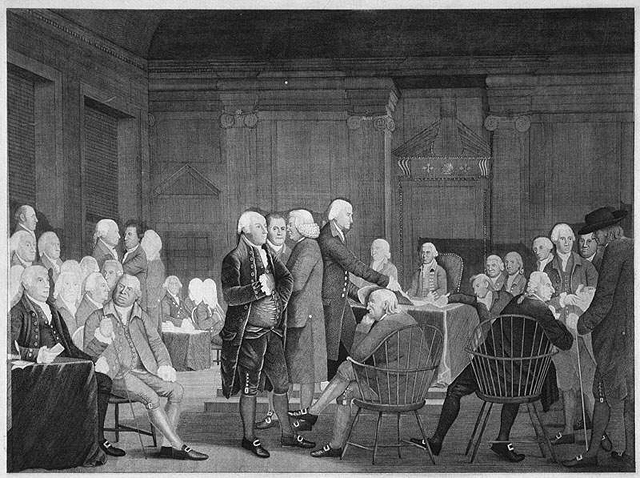
The surviving broadside held by the Library of Congress shows Dunmore presenting the proclamation as a military emergency measure. He claimed that rebellion had forced him to declare martial law and call loyal subjects to the king’s standard. The most explosive line came when he declared that indentured servants, Black people, or others belonging to rebels would be free if they were able and willing to bear arms and joined the king’s troops.
That wording carried several limits. The promise applied to people held by rebels, not by Loyalists. It emphasized those who could serve the British military, especially men able to bear arms. It was not a general emancipation order. Dunmore was using freedom as a weapon against Patriot slaveholders and as a way to strengthen his own forces.
Yet the limits did not erase its meaning. For enslaved people, even a narrow British offer could create a possible route out of bondage. Mount Vernon records that several people enslaved by George Washington were among those who responded to the British opportunity. Across the war, thousands of Black Loyalists would seek protection behind British lines, though the risks were severe and the promises were unevenly honored.
Why Patriot Leaders Reacted So Strongly
Patriot anger was not only about military recruitment. Dunmore’s proclamation exposed a contradiction at the center of revolutionary language. White Patriots often described British rule as tyranny and claimed that political liberty was a natural right. At the same time, many of them treated enslaved people’s pursuit of freedom as rebellion, theft, or a threat to public order.
George Washington’s reaction shows the intensity of the fear. The Library of Congress exhibition on Dunmore’s Proclamation notes that Washington called Dunmore an arch traitor to the rights of humanity. The phrase is striking because Washington was responding to a proclamation that invited enslaved people to leave rebel enslavers. To Patriot leaders, Dunmore was not acting from antislavery principle. He was weaponizing slavery against them. But that did not make the enslaved people’s choices less real.
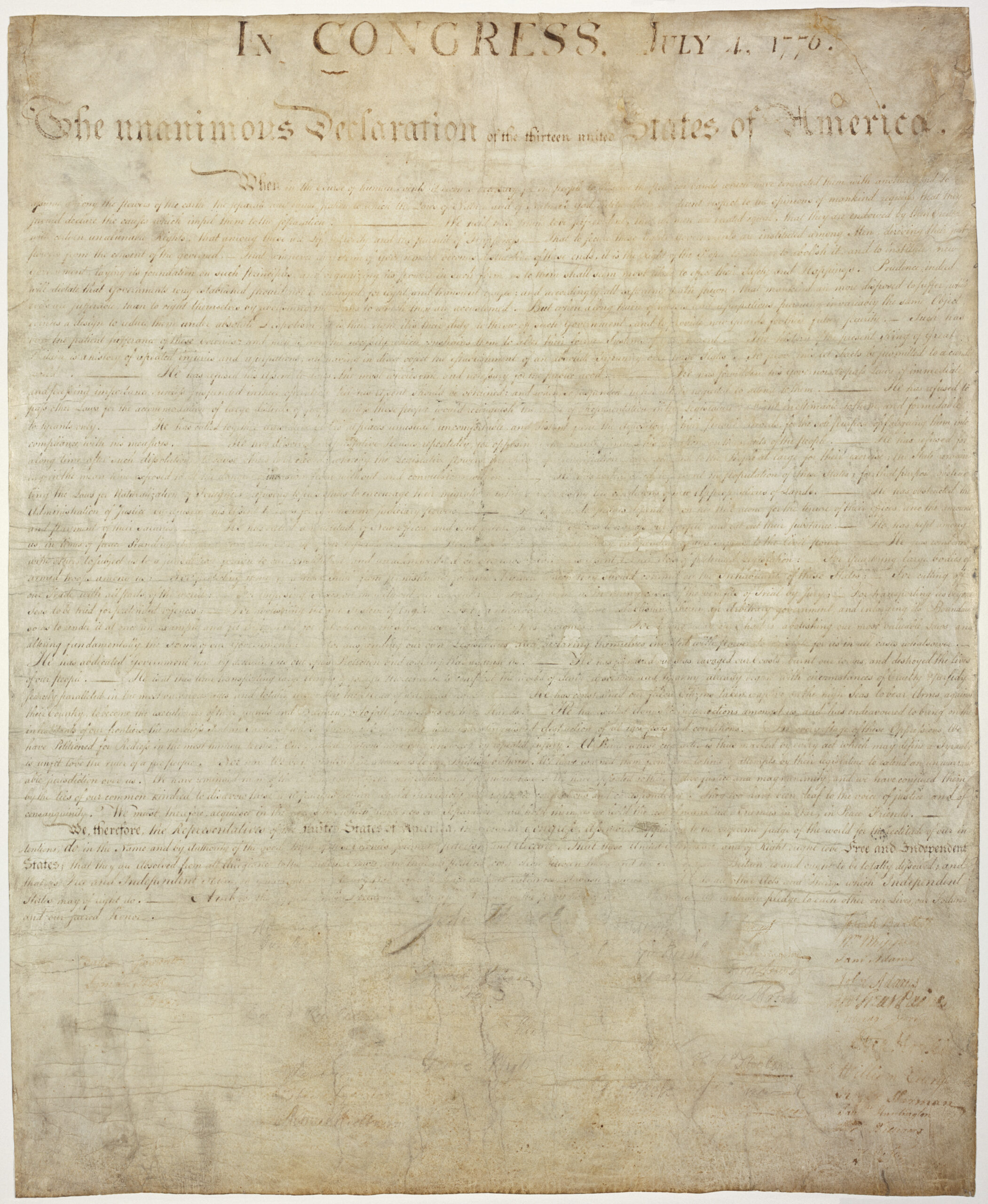
The Library of Virginia also connects the proclamation to Thomas Jefferson’s later drafting. Jefferson included a grievance about the Crown encouraging enslaved people to rise against colonists in a 1776 Virginia constitutional draft, and related language appeared in his rough draft of the Declaration of Independence before being removed from the final document. The removal itself is revealing. A public case for independence could attack monarchy more easily than it could face the colonial dependence on slavery.
The Ethiopian Regiment and the Reality of Choice
Dunmore’s offer helped lead to the formation of a Black Loyalist unit known as the Ethiopian Regiment. Mount Vernon describes the regiment as numbering nearly eight hundred Black Loyalists before it was disbanded. Its members faced disease, military danger, shortages, and the possibility of brutal punishment if captured. Freedom in this setting was not a simple reward waiting at the end of a clear path. It was a gamble made under pressure.
That gamble should not be flattened into either British benevolence or Patriot cruelty alone. Dunmore acted for military and political reasons, not from a broad commitment to equality. British commanders also made decisions that left many Black Loyalists vulnerable. At the same time, enslaved people were not passive symbols in someone else’s argument. They listened, calculated, fled when they could, negotiated danger, and used the conflict to pursue freedom on terms available to them.
The proclamation also made white Virginians confront a truth they already understood: enslaved people wanted freedom, and war could make escape more possible. That fear shaped Patriot propaganda and military response. It also explains why the document had an influence far beyond the number of soldiers Dunmore actually gained. The proclamation changed what the war felt like in Virginia because it turned slavery from a background condition into an active military and political issue.
How It Complicated the Meaning of Liberty
The American Revolution is often introduced through phrases about rights, representation, and consent. Those ideas mattered, but Dunmore’s Proclamation shows that the meaning of liberty depended on who was speaking and who was allowed to act on the word. For a Patriot legislator, liberty might mean protection from parliamentary taxation. For an enslaved Virginian, liberty could mean reaching British lines before a patrol, an enslaver, or disease stopped the attempt.
This is why the proclamation remains such a useful document for understanding 1775. It does not let the Revolution appear as a clean contest between freedom and oppression. Instead, it shows several struggles happening at once. Britain was trying to hold an empire. Patriots were trying to defend colonial rights and, eventually, independence. Enslaved people were trying to turn imperial conflict into personal and sometimes family freedom.
The document also helps explain why slavery became such a sensitive subject in revolutionary politics. Patriot leaders could denounce British power in sweeping moral language, but a serious attack on slavery would divide colonies whose economies and political leadership were tied to human bondage. Dunmore did not create that contradiction. He forced it into the open at a moment when the Patriot cause was still trying to define itself.
Why the Proclamation Still Matters
Dunmore’s Proclamation did not decide the war, and it did not end slavery. Patriot forces defeated Dunmore at the Battle of Great Bridge in December 1775, and his position in Virginia continued to weaken. But the proclamation mattered because it revealed how unstable the language of liberty could become in a slave society. It also helped expand the war’s stakes for people who were often left outside formal political debates.
For students of the Revolution, the proclamation is a reminder to read founding-era documents with more than one question in mind. It is not enough to ask what Patriot leaders demanded from Britain. It is also necessary to ask who could use the crisis, who was excluded from public promises of liberty, and who risked everything to make freedom more than a slogan. In that light, Dunmore’s Proclamation is not a side note to independence. It is one of the clearest windows into the Revolution’s hardest contradiction.



Add comment