

 Akshay Dinesh
Seed oils have become one of the loudest food debates online, partly because the phrase sounds simple while the science is not. The label usually refers to oils pressed or extracted from seeds, such as soybean, corn, sunflower, safflower, grapeseed, cottonseed, and canola oil. These oils show up in home kitchens, restaurant fryers, salad dressings, crackers, sauces, and many packaged foods. Some people describe them as unhealthy or inflammatory, while major nutrition organizations often group many of them with other unsaturated fats that can fit into a healthy eating pattern. The confusion begins when those two conversations collapse into one: the chemistry of the oil itself, and the quality of the foods that often contain it.
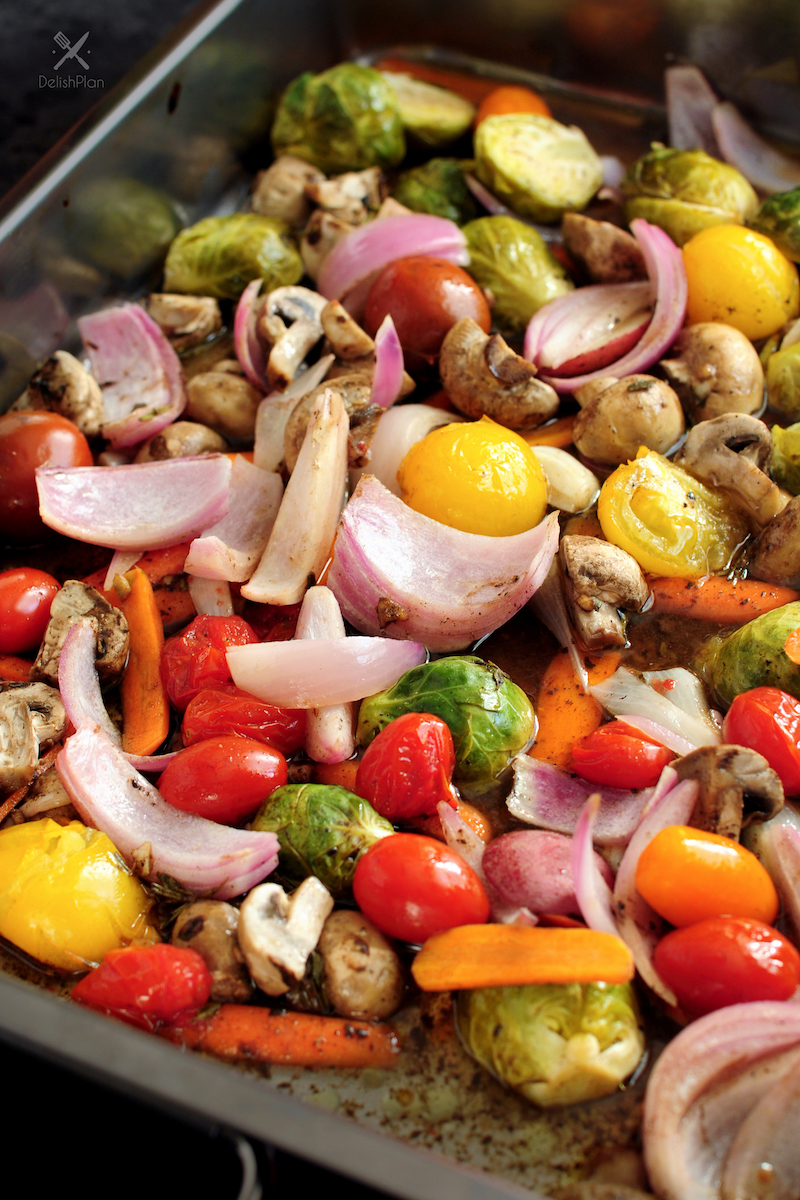
A clearer way to think about seed oils starts with a modest question: what are they replacing, and where are they appearing in the overall diet? A spoonful of canola oil used to roast vegetables is different from a pattern built around fried snacks, sugary baked goods, and heavily packaged meals. The oil may be the same type of ingredient, but the food context changes the nutrition story. That is why a good explanation has to separate fat type, processing, cooking use, and the rest of the plate.
What Counts as a Seed Oil
Most seed oils are plant oils that contain a mixture of fats. Soybean, corn, sunflower, safflower, cottonseed, grapeseed, and canola oils are common examples. They are often called “vegetable oils” on labels, even when the source is a seed rather than a leafy vegetable. Olive oil and avocado oil are usually discussed separately because they come from fruit pulp, not seeds, although they are also plant oils and contain mostly unsaturated fats.
The main nutrition difference among oils is the type of fat they contain. Saturated fats are found in higher amounts in butter, lard, coconut oil, palm oil, and many fatty meats. Unsaturated fats include monounsaturated and polyunsaturated fats, and many seed oils are rich in one or both. Canola oil, for example, contains a mix of monounsaturated fat and polyunsaturated fat. Soybean, corn, sunflower, and safflower oils are often discussed because they contain linoleic acid, an omega-6 polyunsaturated fat.

Linoleic acid is an essential fatty acid, which means the body needs it but cannot make it on its own. That fact does not automatically make every high-linoleic food ideal, but it does challenge the idea that omega-6 fat is simply foreign or useless. The body uses essential fats in cell membranes and many normal biological processes. The real discussion is about amount, balance, replacement, and food quality.
Why Omega-6 Fats Became the Center of the Argument
Much of the seed-oil debate focuses on omega-6 fats. Critics often argue that because the body can use some omega-6 fatty acids to make signaling molecules involved in inflammation, eating oils high in linoleic acid must create chronic inflammation. That argument sounds tidy, but human nutrition rarely works through one straight line. The body has several pathways for fatty acids, and a substance involved in an inflammatory response is not the same thing as a food causing harmful inflammation by itself.
That distinction matters because the strongest evidence people eat by is usually not a single biochemical pathway. Researchers also look at controlled feeding studies, long-term population studies, blood markers, and actual disease outcomes. The American Heart Association has continued to support replacing saturated fats with polyunsaturated fats as part of a heart-healthy dietary pattern. A 2024 American Heart Association discussion of seed oils made the same point: omega-6 fats are not automatically harmful, and polyunsaturated fats can help lower LDL cholesterol when they replace saturated fats.
Johns Hopkins Bloomberg School of Public Health made a similar argument in a 2025 evidence review, noting that fatty acids common in seed oils, including linoleic acid, are associated in human research with lower risk of several chronic diseases rather than clear evidence of harm. The British Heart Foundation also summarized a large Harvard-led review of 38 studies involving more than 810,000 people, reporting that higher linoleic acid intake was linked with lower risk of death from any cause and from cardiovascular disease during the study periods. Observational research cannot prove every cause on its own, but those findings do not fit the simple claim that seed oils are broadly toxic.
The Food Around the Oil Changes the Story
Many people encounter seed oils through foods that are not nutritionally strong in the first place. Chips, packaged pastries, fast-food fries, sweetened snack bars, frozen fried foods, and some creamy sauces may contain soybean, corn, canola, sunflower, or cottonseed oil. When a diet is heavy in those foods, it can also be high in refined starches, added sugars, sodium, low-fiber ingredients, and excess calories. Blaming only the oil can hide the larger pattern.
This is one reason nutrition debates become so slippery. A person may feel better after cutting out “seed oils,” but the practical change might also remove many ultra-processed snacks and restaurant fried foods. That change could reduce added sugars, refined grains, large portions, and late-night snacking at the same time. The improvement is real, but the explanation may be broader than one ingredient.

The reverse is also true. A person can use a modest amount of sunflower or canola oil in a meal built around vegetables, beans, whole grains, fish, tofu, or lean proteins. That meal should not be judged the same way as a basket of fried snack food just because both contain plant oil. Food quality, portion size, cooking method, and overall eating pattern all change the meaning of the ingredient.
Processing Sounds Scary, But Details Matter
Another source of concern is the way many commercial oils are refined. Industrial oil production can involve crushing, heating, solvent extraction, filtering, deodorizing, and other steps that make the oil stable, neutral-tasting, and suitable for large-scale cooking. The word “refined” can sound like a warning by itself, especially when people imagine a harsh chemical process leaving something unsafe behind.
Processing deserves attention, but it should be judged by evidence rather than unease. Food-grade oil refining is regulated, and the final oil is not the same thing as the factory process used to make it. Concerns about trace residues, oxidation, and repeated high-heat frying are more specific than the broad claim that all refined seed oils are dangerous. Reused deep-frying oil, for example, is a different issue from a fresh oil used once in a home kitchen.
Heat stability also varies among oils. Some high-oleic versions of sunflower, safflower, soybean, and canola oil are bred or processed to contain more oleic acid, the same monounsaturated fat found in large amounts in olive oil. In 2018, the U.S. Food and Drug Administration allowed a qualified health claim for edible oils containing at least 70 percent oleic acid per serving, stating that limited and not conclusive evidence suggests replacing higher-saturated-fat oils with those high-oleic oils may reduce coronary heart disease risk. The careful wording matters: it is not a magic-food claim, but it shows how much oil composition can differ within the same broad category.
What Labels Can and Cannot Tell You
Ingredient lists can show whether a food contains soybean, canola, sunflower, safflower, corn, cottonseed, grapeseed, or another plant oil. They can also reveal whether the product is built mostly from whole-food ingredients or from refined starches, sweeteners, flavorings, and additives. The Nutrition Facts panel gives more context by listing saturated fat, trans fat, sodium, added sugars, fiber, and serving size. Those details are usually more useful than simply scanning for one oil name.
One useful habit is to compare foods within the same category. Two crackers, salad dressings, frozen meals, or granola bars may both contain seed oil, but one may have less saturated fat, less sodium, more fiber, and a simpler ingredient list. Another may contain palm oil, coconut oil, or butter instead, which can raise saturated fat. A “seed-oil-free” label does not automatically mean the product is more nourishing.
The Dietary Guidelines for Americans have consistently emphasized limiting saturated fat and replacing it with unsaturated fats from foods such as seafood, nuts, seeds, avocados, and oils including olive, canola, peanut, sunflower, safflower, corn, soybean, and vegetable oils. That advice does not require anyone to eat large amounts of oil. It means the replacement matters. Swapping butter-heavy cooking for an unsaturated oil is different from adding more fried food on top of an already rich diet.
A Calmer Way to Read the Debate
The most useful seed-oil question is not “good or bad?” but “what role is this food playing?” If an oil helps cook vegetables, dress a bean salad, or replace a more saturated fat, the nutrition picture can be reasonable. If it mainly appears in frequent fried foods, pastries, and salty packaged snacks, the bigger issue may be the overall food pattern rather than the seed oil alone.
It also helps to separate everyday cooking from identity labels. Extra-virgin olive oil, avocado oil, canola oil, peanut oil, and high-oleic sunflower or safflower oil can all have uses. Butter and coconut oil can have flavor roles, but they are higher in saturated fat. No single oil turns a weak diet into a strong one, and no single ingredient explains every health outcome by itself.
A practical reading of the evidence leads to a quieter conclusion than the online argument usually allows. Seed oils are not all identical, and they are not automatically the villain in modern diets. The better questions are whether the diet is built mostly around minimally processed foods, whether saturated fat is being replaced or added to, how often deep-fried and packaged foods appear, and whether labels are being read as a whole. That approach gives readers more power than a simple fear list, because it turns a noisy food controversy into a set of choices that can actually be understood.






Add comment