
 Akshay Dinesh
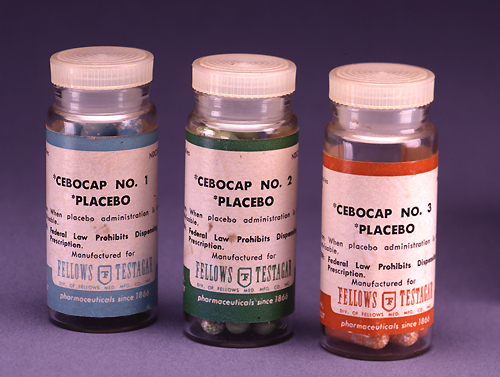
A placebo is often described as a fake treatment, but that simple definition can make the whole idea sound fake. The placebo effect is not the same as pretending, and it is not proof that a symptom was imagined. It is a real response shaped by expectation, attention, learning, and the body’s own control systems. The most familiar example is a pill with no active drug that still leads someone to report less pain, less nausea, or a stronger sense of relief. The pill itself may be inactive, but the situation around it is not.
The National Center for Complementary and Integrative Health, part of the National Institutes of Health, describes the placebo effect as a beneficial outcome that comes from a person’s anticipation that an intervention will help. That definition matters because it keeps the explanation grounded. Placebos do not shrink tumors, clear infections, or replace treatments that act directly on disease. Their strongest effects tend to appear in symptoms that the brain helps shape moment by moment, especially pain, fatigue, nausea, stress, and some forms of discomfort.
Why expectation can change what the body feels
Expectation is not just a thought floating above the body. When a person expects relief, the brain can change how it filters signals, where attention goes, and how threatening a sensation feels. Pain is a good example because pain is never a simple measurement from injured tissue. The brain weighs incoming signals against context: Is this dangerous? Has this helped before? Is someone trustworthy paying attention? Is relief likely?
That is why two people can experience the same physical stimulus differently, and why the same person can experience pain differently in different settings. A scraped knee during a tense emergency may barely register until later, while a small ache during a worried evening can feel larger because attention keeps circling back to it. Placebo responses live in that flexible space between body signals and interpretation. They show how the nervous system can turn the volume of a symptom up or down.
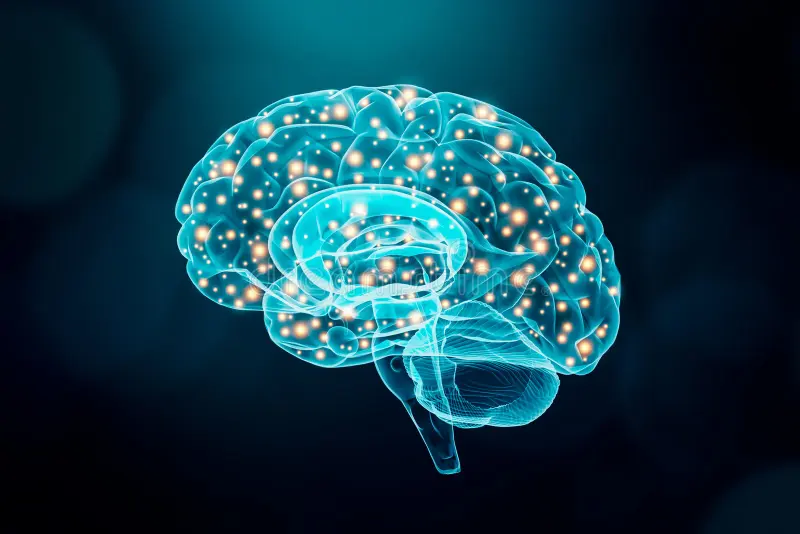
Researchers studying placebo analgesia, or placebo-related pain relief, have connected these effects to brain systems involved in expectation, emotion, reward, and pain modulation. Some studies have found changes in activity in regions such as the prefrontal cortex and pain-processing networks. Others have looked at the role of the body’s own opioid-like chemicals, sometimes called endorphins. The details vary by study and symptom, but the larger point is steady: context can trigger biology.
How learning and ritual strengthen the response
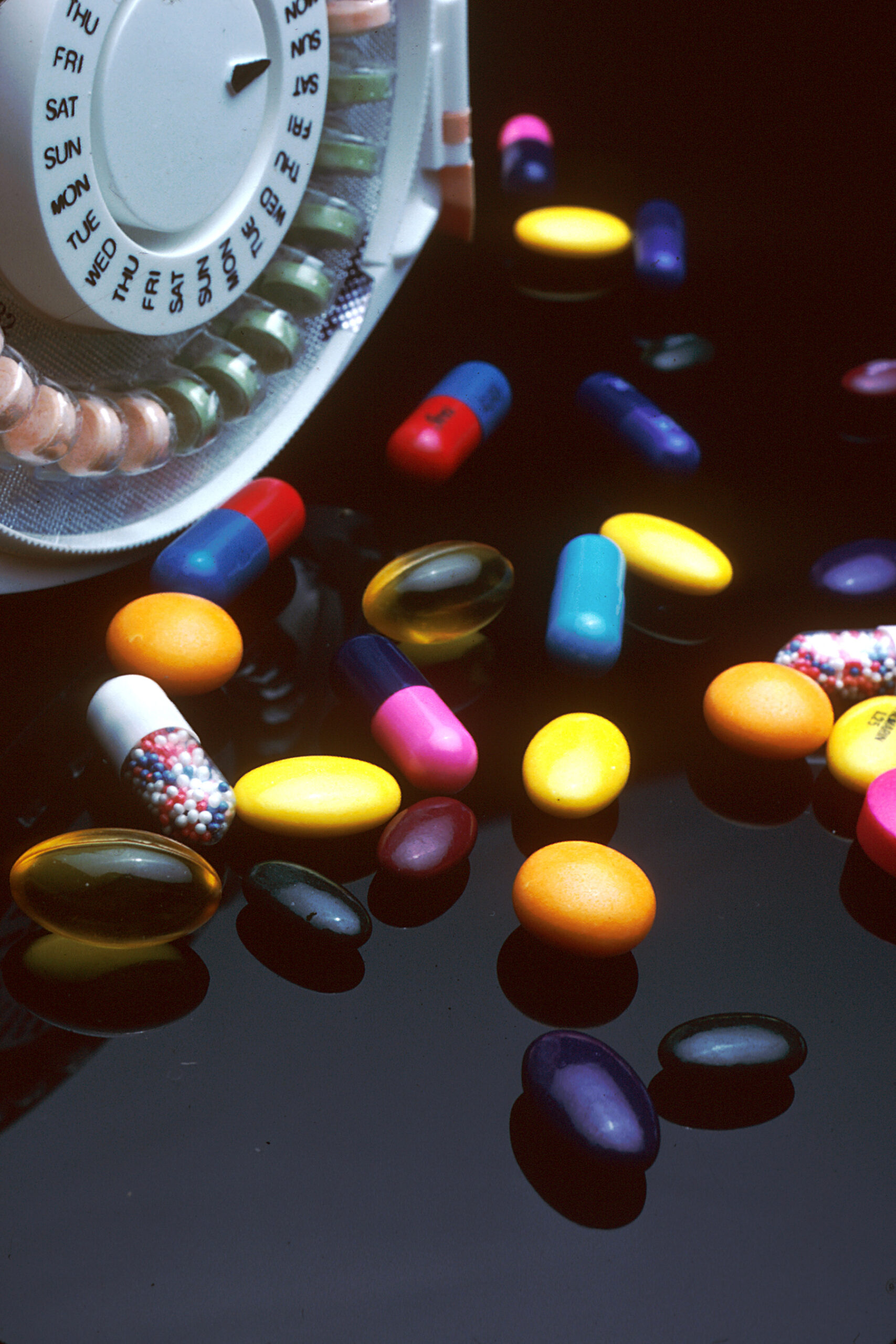
Expectation is only one part of the story. The placebo effect also draws on learning. If someone has repeatedly taken medicine and then felt better, the act of taking a pill can become linked with relief. The color, shape, timing, clinic room, white coat, instructions, and careful attention may all become cues. Over time, the body can learn that these cues usually come before improvement.
This is close to conditioning, the same broad learning process that helps people connect one event with another. In placebo research, a neutral treatment can become more powerful when it has been paired with real relief in the past. For example, if a cream is repeatedly applied before a painful stimulus is quietly reduced, a person may later feel less pain after the cream even when the stimulus is no longer reduced. The brain has learned a pattern and begins to predict relief.
The ritual matters because medicine is never only chemistry from the patient’s point of view. It also includes attention, timing, explanation, trust, and the feeling that a problem is being taken seriously. Harvard Health has noted that the clinical ritual around a treatment can influence how symptoms are perceived, partly because receiving care changes attention and expectation. That does not make the active ingredients less important. It means that treatment context can add an extra layer to how people feel.
Why placebo-controlled trials are so important
The placebo effect creates a challenge for medical research. If people can improve after receiving an inactive treatment, researchers need a careful way to tell whether a new drug is doing more than expectation, time, attention, or natural recovery would do on their own. That is the reason placebo-controlled trials are so important. In a randomized placebo-controlled trial, participants are assigned by chance to receive either the treatment being tested or a placebo designed to look similar.
When the study is blinded, participants do not know which group they are in. In a double-blind study, the researchers interacting with them usually do not know either. This protects the study from expectation on both sides. A participant who knows they received the new treatment might report changes differently. A researcher who knows someone received the treatment might unconsciously interpret a response more favorably. Blinding reduces those pressures.
The comparison is the heart of the design. If both groups improve by about the same amount, the treatment may not be adding much beyond the placebo response and other background factors. If the treatment group improves more than the placebo group, researchers have stronger evidence that the active treatment has a specific effect. This is why the U.S. Food and Drug Administration and medical researchers treat well-designed control groups as a central part of deciding whether evidence is convincing.
The nocebo effect works in the opposite direction
Expectation can also make symptoms feel worse. That opposite pattern is called the nocebo effect. A person who expects a headache, nausea, dizziness, or another side effect may become more likely to notice or report that symptom, even when the substance taken cannot directly cause it. This does not mean the person is lying. The symptom can feel real because attention, anxiety, and prediction can change bodily experience.
Nocebo effects are especially important in clinical trials and everyday health communication. If a long list of possible side effects is presented in a frightening way, people may become more alert to normal sensations and interpret them as warning signs. On the other hand, people deserve honest information before they agree to any treatment or study. Good communication has to hold both truths at once: people need accurate risk information, and the way information is framed can shape how symptoms are experienced.
The nocebo effect also helps explain why fear can spread through groups. When people hear repeated stories about a symptom, they may begin checking themselves for signs of it. A mild sensation that would normally pass unnoticed can become meaningful because the mind has been primed to expect trouble. That makes nocebo a useful psychology concept far beyond medicine. It shows how prediction can steer attention, and attention can steer experience.
What the placebo effect does and does not prove
The placebo effect is sometimes misused to make exaggerated claims. A placebo response does not prove that belief can cure disease. It does not mean people should replace evidence-based care with positive thinking. It does not mean every improvement after a treatment was caused by the treatment. Symptoms can change because of the body’s natural healing, measurement error, regression toward the mean, extra care received during a study, or a genuine treatment effect. Sorting those possibilities is exactly why careful research design matters.
At the same time, dismissing the placebo effect as “just psychological” misses the point. Psychological processes are part of biology. Expectation, stress, attention, memory, trust, and fear all involve the nervous system. When those processes change pain, nausea, fatigue, or comfort, the change is happening through the body, not outside it. The lesson is not that the mind controls everything. The lesson is that the body and mind are not separate machines.
The most useful way to understand the placebo effect is as a reminder that context matters. A treatment is more than its active ingredient, and an experience is more than the signal arriving from a nerve ending. Words, routines, previous experiences, and expectations can all influence how a person feels. That makes the placebo effect one of the clearest examples of psychology becoming physical. It shows how belief can shape response without pretending that belief can replace evidence, medicine, or careful science.






Add comment