

 Akshay Dinesh
Summer can make a new driver feel more independent almost overnight. School schedules loosen, part-time jobs add new routes, friends make plans across town, and daylight stretches late into the evening. That extra freedom is exciting, but it also changes the driving environment in ways that matter for teenagers who are still building judgment behind the wheel.
Safety groups often call the period from Memorial Day to Labor Day the “100 Deadliest Days” for teen drivers. The phrase is dramatic, but the reason behind it is practical: more unsupervised driving, more social trips, more late returns, and more chances for distraction all arrive at once. AAA’s review of federal crash data found that more than 30 percent of deaths in crashes involving teen drivers from 2019 through 2023 happened during that summer stretch. NHTSA also continues to list motor vehicle crashes as a leading cause of death for U.S. teenagers, with 2,320 people killed in crashes involving a teen driver in 2024.
The point is not that teenagers are careless by nature. New drivers of any age need time to turn basic vehicle control into calm, automatic habits. Summer simply gives inexperienced drivers more opportunities to meet complicated situations before those habits are fully formed.
More Driving Means More Decisions
The biggest summer change is exposure. A teen who mostly drove to school, practice, and a nearby store during the year may suddenly drive to work, the beach, a friend’s house, a concert, or a late movie. Each trip adds small decisions: when to turn left across traffic, how closely to follow on a faster road, whether to pull over in heavy rain, how to handle a confusing intersection, and when to say no to a risky plan.
Experienced drivers often forget how much mental work these choices take. They read traffic several seconds ahead, notice brake lights early, predict what a bicyclist or merging truck might do, and adjust speed without thinking much about it. New drivers are still spending attention on lane position, mirrors, speed control, and navigation. When the road gets busy, that attention can run out quickly.
Summer also brings unfamiliar conditions. Rural roads, work-zone detours, vacation traffic, motorcycles, pedestrians near parks, and sudden thunderstorms can all appear in the same week. A route that looks easy on a map may include high-speed merging, glare at sunset, or a crowded parking lot full of people walking between cars.
Passengers Can Change the Whole Car
A car with friends inside is not the same learning environment as a car with a calm adult passenger. Friends talk, laugh, play music, point things out, ask for stops, and sometimes push the driver to keep up with a plan. Even when nobody means harm, the driver’s attention is divided.
NHTSA warns that passengers can distract inexperienced teen drivers, and many graduated driver licensing systems limit passengers for that reason. The risk is not only noise. A teen driver may feel pressure to look relaxed, answer a joke, check a phone notification, or drive a little faster than usual. Social confidence can rise faster than driving skill.
That is why passenger rules should be specific before the trip begins. “Be careful” is too vague to guide a real decision. A stronger rule might be no extra teen passengers for the first months of independent driving, or one passenger only after a certain number of supervised hours. Families can also make the passenger part of the safety plan: handle navigation, keep the music low, and never show the driver a phone screen while the car is moving.
Night Driving Raises the Difficulty
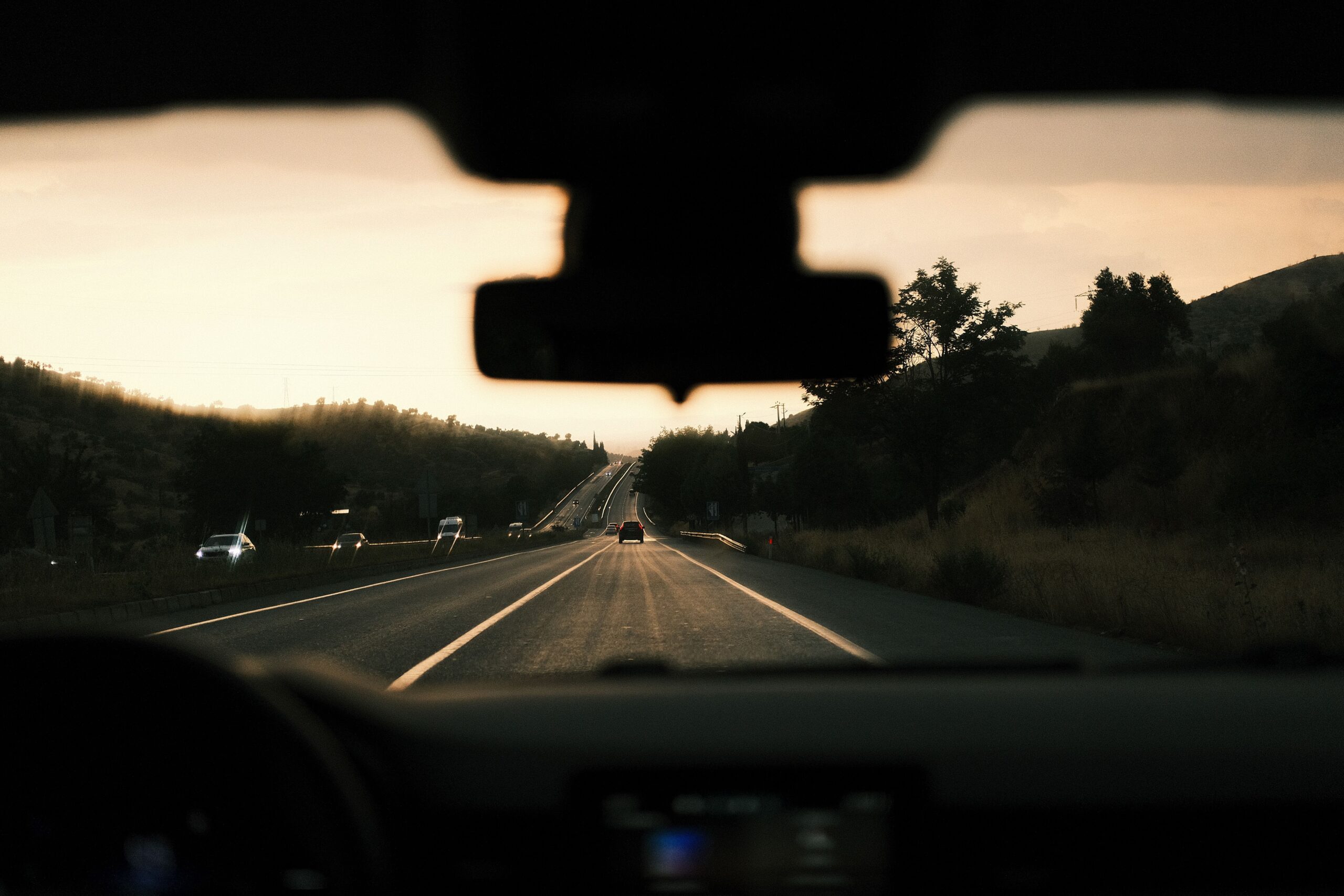
Summer schedules often push driving later. Evening practices, restaurant shifts, fireworks, parties, and late sunsets can make nighttime driving feel normal before a teen is ready for it. Darkness changes the task. Headlights narrow what the driver can see, depth perception becomes harder, and hazards can appear suddenly at the edge of the road.
Fatigue adds another layer. A teen who slept late, worked a shift, spent the afternoon outdoors, and then drives home after dark may not feel impaired in an obvious way. But slower reaction time and drifting attention are enough to make a routine drive more dangerous. The risk grows when the driver is also carrying friends or trying to follow directions on an unfamiliar road.
Graduated driver licensing laws often include nighttime limits because they reduce exposure during a harder driving condition. The CDC notes that graduated driver licensing systems have been shown to reduce fatal crash risk among 16- and 17-year-old drivers, especially when several safeguards work together. IIHS points to strong learner periods, supervised practice, nighttime restrictions, and passenger limits as important parts of lowering teen driver risk.
Phones Are Only One Kind of Distraction
Phones deserve attention because they are powerful distractions. Reading or sending a message takes eyes off the road, hands off the wheel, or mind off the driving task. NHTSA’s distracted driving guidance urges families to set clear expectations before a teen drives alone, including putting phones away and modeling the same behavior themselves.
Still, distraction is bigger than texting. Food, playlists, passengers, navigation screens, spilled drinks, emotional conversations, and even a messy car can all pull focus. A new driver has less spare attention to give away. Something an experienced adult might handle awkwardly but safely can overwhelm a teen who is still learning to scan, signal, brake smoothly, and plan an escape path.
The most useful habit is to remove decisions from the moment. Set the destination before leaving. Put the phone where it cannot be reached. Choose music before shifting into drive. If a message, route change, or strong emotion needs attention, pull over somewhere safe. These routines may sound simple, but simple routines are exactly what protect attention when traffic gets messy.
Practice Should Match Real Summer Driving
Supervised practice is most useful when it looks like the driving a teen will actually do. A family might spend many hours practicing quiet neighborhood turns, then suddenly allow a solo trip involving a freeway, a crowded shopping center, or a rainy night. That gap can be dangerous because confidence comes from repetition, not permission.
Good summer practice should include ordinary but demanding situations: merging onto faster roads, entering and leaving busy parking lots, driving near cyclists and pedestrians, handling glare, reading detours, and deciding when conditions are bad enough to wait. It should also include route planning. A teen who knows where to park, which entrance to use, and when to leave is less likely to make rushed choices at the last second.
Parents and caregivers do not need to turn every drive into a lecture. Short, calm debriefs work better. Ask what felt easy, what felt stressful, and what the driver noticed late. Then choose one skill for the next drive. Over time, those conversations build a driver who can think ahead instead of merely react.
A Safer Summer Starts Before the Engine Turns On
The best summer driving rules are clear enough to use under pressure. They should cover passengers, nighttime driving, phone storage, seat belts, speed, weather, and what to do when a plan changes. A teen should know that calling for a ride is always better than driving tired, driving upset, riding with someone unsafe, or trying to save face in front of friends.
It also helps to separate freedom from unlimited freedom. A new driver might earn wider boundaries step by step: first familiar daytime routes, then short solo errands, then busier roads, then evening drives with limits. That approach treats driving like any serious skill. More responsibility comes after repeated safe practice, not just after a birthday or a license test.
Summer is not a reason to keep teenagers off the road. It is a reason to take the learning period seriously. A teen who practices in real conditions, limits distractions, respects passenger and night-driving risks, and knows when to pause a trip is not just getting through one season. They are building habits that can last long after summer ends.






Add comment