
 Rishay Dinesh
Resumes can feel intimidating. Most people hear that recruiters spend less than ten seconds looking at one, and that is often true. In 2025, job hunting has become even more competitive because thousands of people apply for the same role. On top of that, most companies now use AI-powered software to scan resumes before a human ever sees them. This means that even qualified candidates can get rejected without a chance to prove themselves.
The good news is that you can still stand out if you know the rules. Writing a resume that grabs attention is not about cramming in fancy words or picking a colorful design. It is about clarity, relevance, and proof that you can do the job. If you follow the right steps, your resume will survive both the machine scan and the recruiter’s eyes.
Why Resumes Matter More Than Ever
Resumes matter more than ever in 2025 because of how hiring works today. In the past, a manager might flip through a stack of papers. Now, most resumes pass through an Applicant Tracking System, also called an ATS. This software scans for keywords from the job description. If your resume does not match enough of those keywords, it gets filtered out before a recruiter even learns your name.
That is why you need to think carefully about the words you use. A resume has become more than a list of experiences. It is your ticket to the next stage of hiring, and a weak one can block you from opportunities no matter how skilled you are.
The Key Rules for 2025 Resumes
One of the first things to remember is length. Recruiters do not want to read a novel, and for most people, a single page is the best option. If you have over ten years of experience, two pages are acceptable, but only if every detail adds value.
Next, think about language. Use keywords from the job posting itself. If the description mentions project management or data analysis, and you have those skills, make sure those exact words appear on your resume. Otherwise, the ATS might skip over you.
Your experience should focus on results, not just duties. Many candidates make the mistake of writing down what they were responsible for instead of what they achieved. Saying you “managed social media accounts” does not sound impressive. Saying you “grew social media followers by 40 percent in six months” immediately shows impact. Employers want proof that you can deliver, not just a list of tasks.
Design matters too. A lot of people get tempted to use creative templates they find online. They might look stylish, but they confuse scanning software and can even annoy recruiters who prefer a simple, clean layout. Stick to black text, white background, and clear headings. You do not need colors or graphics to stand out. What matters is content.
Building Your Resume Step by Step
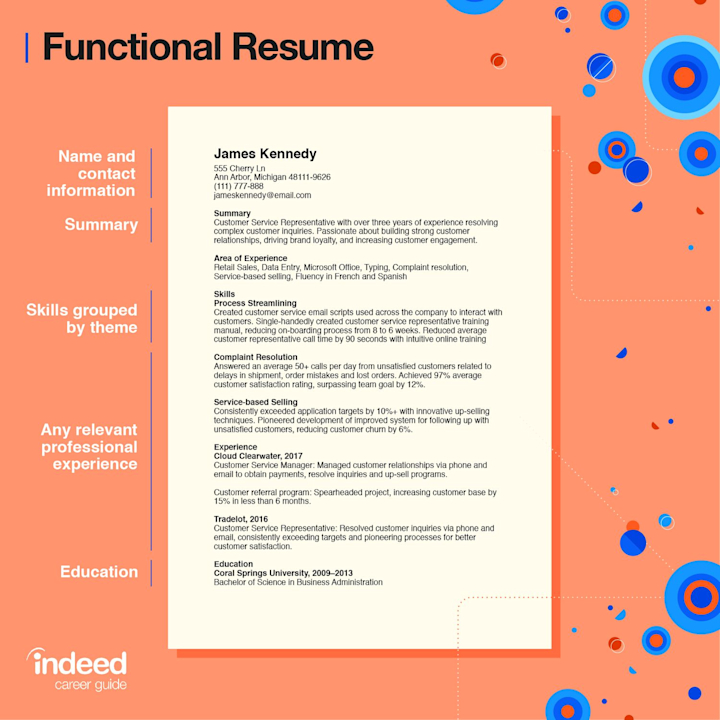
When building your resume, start with contact information at the top. Include your full name, email, phone number, city, and a link to your LinkedIn profile. If you have a portfolio or personal website, add that too. Always use a professional email address.
Right after that, write a short summary. This is two to four sentences that act like your elevator pitch. Highlight your strongest skills and what you can bring to the table. For example, a data analyst might write: “Data analyst with three years of experience turning raw data into insights that drive business growth. Skilled in SQL, Python, and business intelligence tools. Proven track record of improving decision-making through accurate reporting.” This kind of statement sets the tone for the rest of the resume.
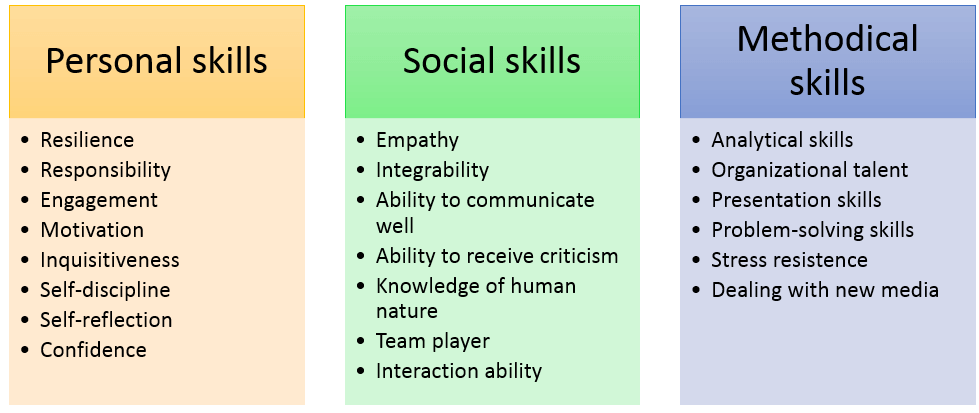
The skills section comes next. Keep it short and relevant. Group them if needed. You might list technical skills like SQL, Excel, and Tableau, and then list soft skills like teamwork or problem-solving. Do not overload the list with every program you have ever touched. Focus on what the job requires.
Work experience is the heart of the resume. For each role, include your title, company name, location, and dates of employment. Underneath, add three to five bullet points that highlight what you achieved. Each one should begin with an action verb, describe what you did, and end with measurable results if possible. Instead of writing “helped with customer service,” write “resolved customer issues and improved satisfaction ratings by 15 percent.” These details make you look like someone who adds value, not just someone who showed up.
Education should be short unless you are early in your career. Include your degree, school, and graduation year. If you have strong academic achievements, such as honors or awards, add them, but do not waste space on irrelevant details.
Some people benefit from adding optional sections like certifications, projects, or volunteer work. This can be especially useful in fields like technology, where projects show practical skills. If you have a GitHub profile or a personal app you created, list it. Recruiters like proof that you can apply your knowledge outside of a classroom.
Mistakes That Can Hurt Your Chances
Many candidates lose opportunities because of avoidable mistakes. One of the most common is using the same resume for every job. Recruiters notice this immediately, and it shows you did not put in the effort. Tailor your resume each time. Adjust your summary, skills, and even some work experience points so they match the posting.
Another mistake is filling the resume with buzzwords like hardworking or detail-oriented. These mean little without proof. Instead of saying you are detail-oriented, show it with a result such as “improved accuracy of financial reports by eliminating 20 recurring errors.”
Typos and grammar issues are another simple but damaging mistake. A single error can make recruiters doubt your professionalism. Always proofread carefully and, if possible, have someone else review your resume. Adding unnecessary details is also a problem. You do not need your full street address, a photo, or unrelated hobbies. Recruiters care about skills and results, not your favorite weekend activity.
Real Examples That Work
It helps to look at examples. An entry-level student should keep things short but highlight eagerness to learn. Focus on software skills, university projects, or internships. A mid-career professional might use two pages, focusing on leadership roles and measurable results. Someone in the tech industry should emphasize technical skills, showcase projects, and provide evidence of impact such as efficiency improvements or successful product launches.
Going Beyond the Resume
A tailored cover letter, even when optional, gives you a chance to show personality and explain why you want the role. Recruiters often check LinkedIn before calling candidates, so make sure your profile is complete and matches your resume. There are also resume-check tools like Jobscan that compare your resume against a job posting and tell you which keywords you are missing.
Final Thoughts
At the end of the day, your resume is your first impression. In 2025, it has to impress both machines and humans. Keep it clear, focused, and results-driven. Tailor it for each application, use strong action verbs, and proofread carefully. A strong resume will not just earn you an interview. It will move you one step closer to the job you want.


 Akshay Dinesh



Add comment